There is a version of the Ngorongoro Crater that exists in every travel magazine. The one with the lion at golden hour, the wildebeest crossing, the panoramic shot from the rim that makes the whole thing look unreal.
I have those photographs. I took them. They're beautiful.
But the image I keep coming back to isn't any of those.
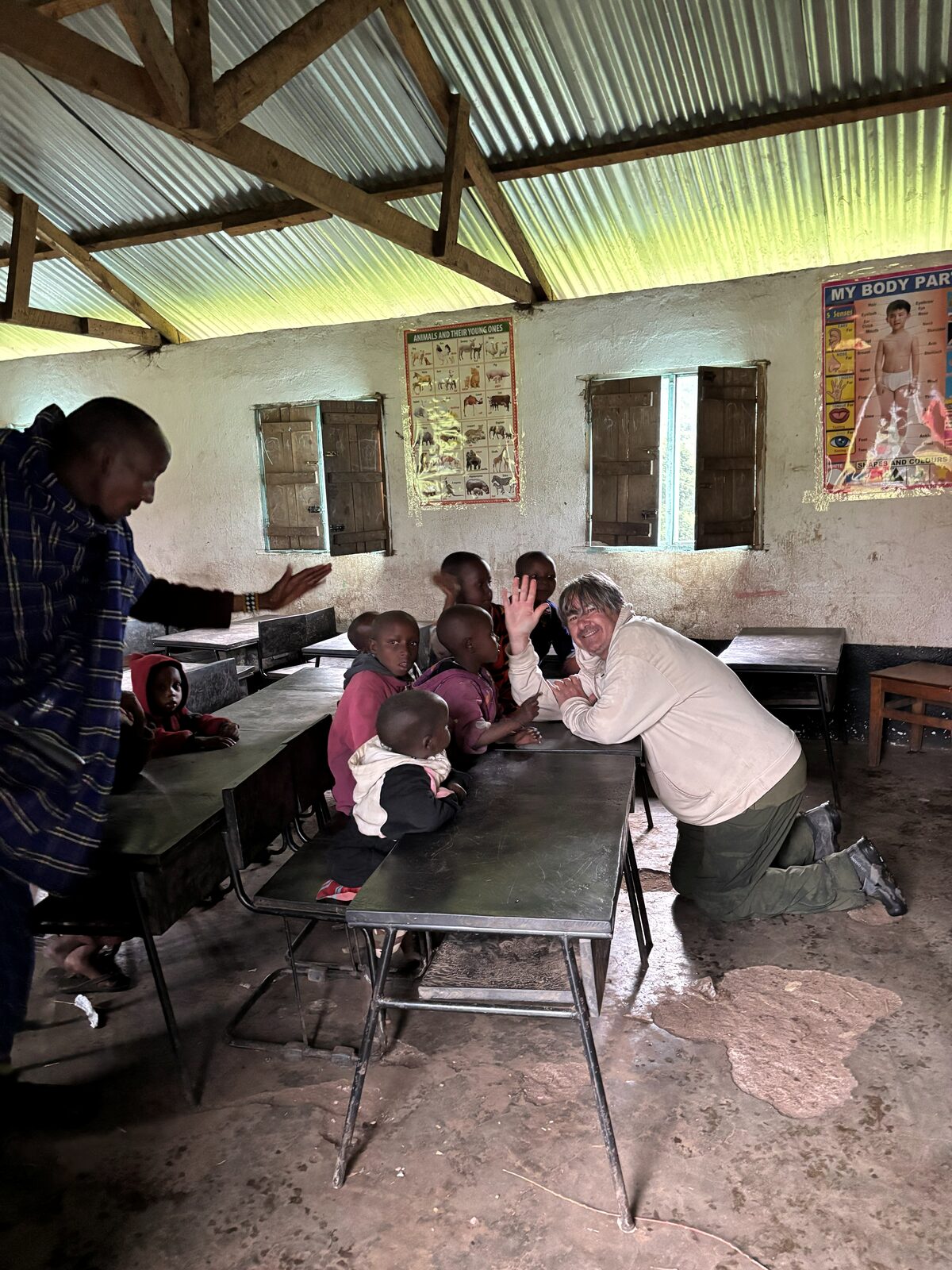
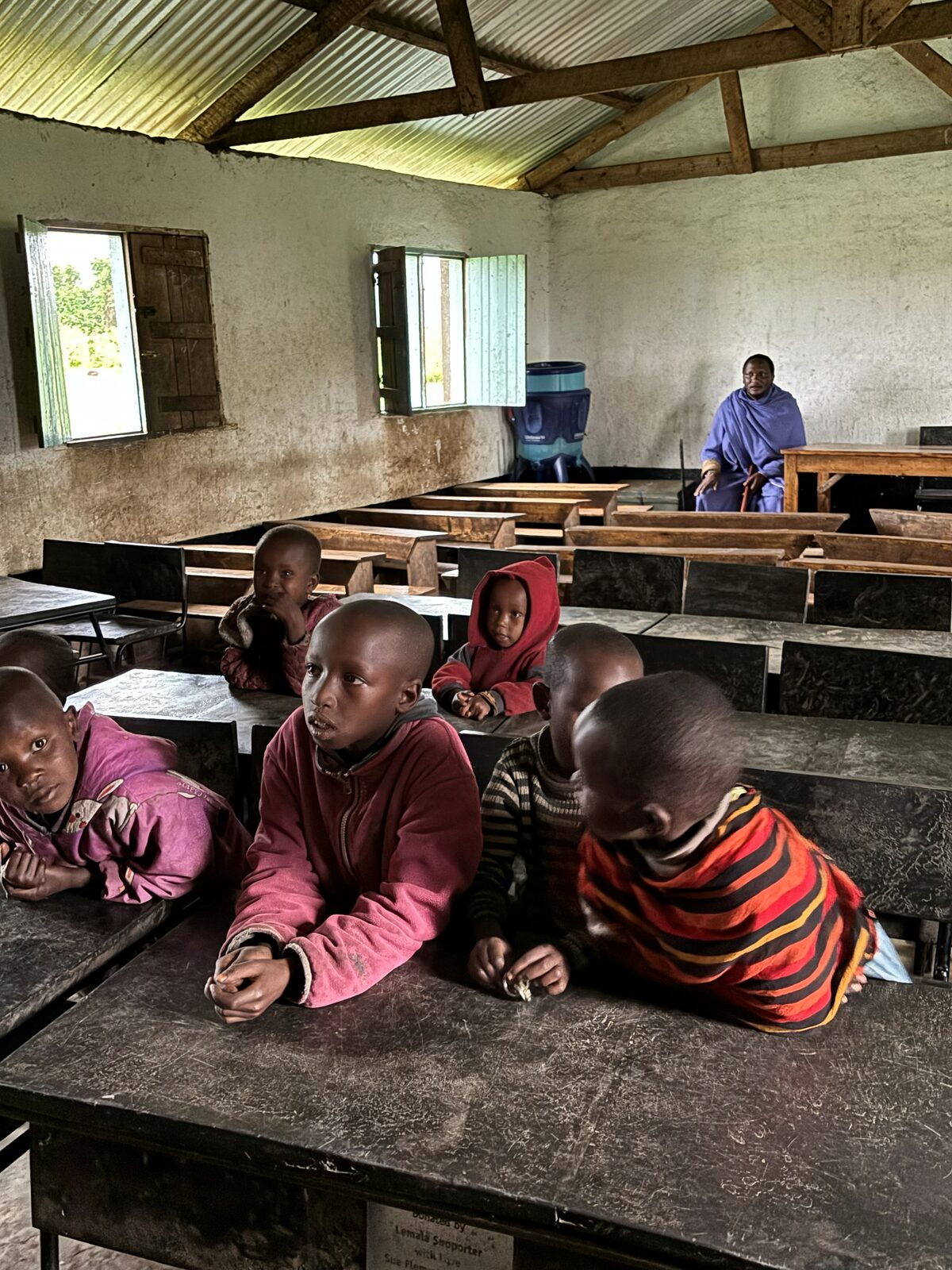
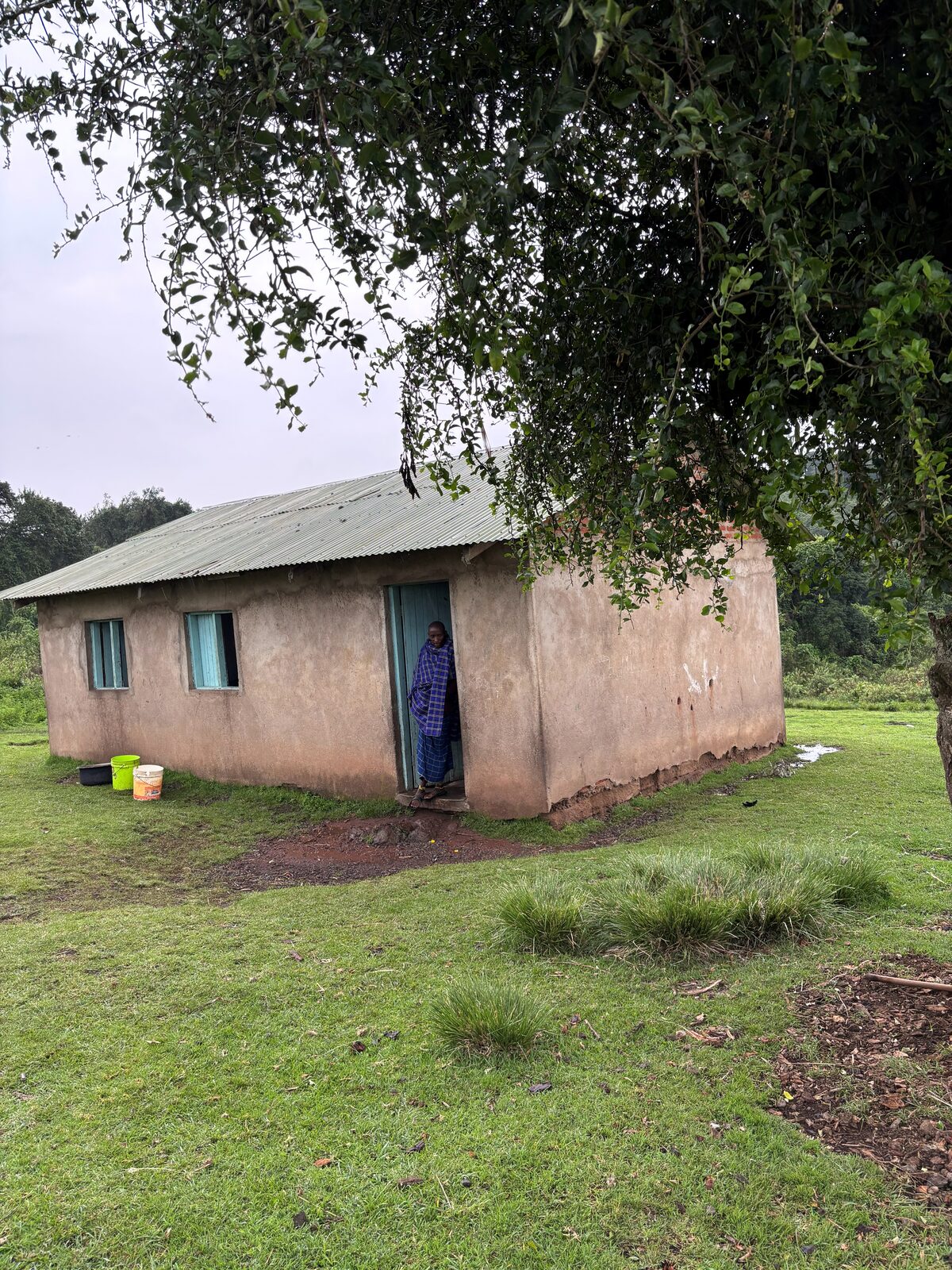
It's a classroom inside a Maasai Boma, somewhere on the crater floor. Rows of wooden desks. No books on them. No electricity. A teacher — calm, unhurried, clearly committed — working with what was available, which was not much. Outside, children moved between the clay-walled structures of the village as though the world beyond the conservation area was a rumor from another century.
I made a donation that day. A real one. And then I got back in the Land Cruiser and drove to a tented camp with a four-course dinner waiting.
That gap has sat with me ever since.
Why I Started Looking
I have been writing Beyond the Office for a while now — travel stories, technology essays, the occasional meditation on what it means to move through the world with intention. But Tanzania did something to the way I think about what this blog is for.
I started asking a question I hadn't really asked before: if you are genuinely moved by a place and its people, what is the responsible next step? Not the guilt-driven one. The intentional one.
So I started looking for organizations working inside Maasai communities with real roots — not charities parachuted in from the outside, but ones built by people who grew up in these villages, herded livestock as children, and then found their way to formal education against significant odds.
That search led me to ALMASI.
What ALMASI Is
ALMASI — the Alakira Maasai Economic Support Initiative — is a 501(c)(3) nonprofit incorporated in Illinois, with active operations in the Arusha region of Tanzania. It was founded by Lazaro Mathayo and Yassi Moringe, two Maasai professionals who grew up inside the Ngorongoro Conservation Area and built careers in community development, law, and international programs before turning those skills toward their own community.
Lazaro's story in particular stopped me. He grew up in Oloirobi village on the crater floor — herding livestock, no formal schooling on the horizon — until an American tourist visited Tanzania, was moved by his story, and sponsored his education. That relationship became the foundation of his entire career. He went on to earn an MBA and to co-found an organization dedicated to making sure other Maasai children have a similar chance.
An American visitor was moved enough to change the arc of a Maasai man's life. I sat in a classroom on that same crater floor. I understand something about that feeling now.
ALMASI works across three areas: economic empowerment for Maasai women and families, educational access from preschool through secondary school, and community health. Their approach is explicitly bottom-up — they're not importing solutions, they're building capacity inside communities that have been marginalized by land seizures, climate change, and decades of exclusion from Tanzania's formal economy.
The Team
One of the things that impressed me most about ALMASI is who is actually running it. Every member of the Tanzania team is Maasai, from Ngorongoro, with a personal story of breaking through cultural barriers to reach education and then choosing to come back and work for their community. Yassi Moringe, the Director of Programs, is a lawyer and development expert who watched Maasai women face economic and legal injustices and decided to build something to change that. Marco Ole-Keiya, their Education Outreach Specialist, has personally advocated to rescue hundreds of girls from early forced marriages.
On the US side, the board is small, accessible, and deeply personally connected — not a corporate governance structure, but people who heard Lazaro's story and decided they wanted to be part of what he's building.
Why I'm Featuring Them First
I had planned to rotate through several Maasai-focused organizations in this series. ALMASI is first for a specific reason: geographic and personal resonance. They are rooted in the Ngorongoro region — the same landscape where I sat in that classroom. Their founding story mirrors, in a meaningful way, the experience that sent me looking in the first place.
There is also something I find genuinely refreshing about how they present themselves. They are not asking you to save anyone. They are asking you to look, to learn, and if it resonates — to decide for yourself what role, if any, you want to play.
I respect that. It's how I want to write about them too.
What I'm Carrying Forward
A few weeks after that visit, I shared the story with my son. Not as a lesson — just as something that had happened to me, that I wanted him to know about. He forwarded it to a friend a few days later, unprompted.
I think about that more than I expected to. The most lasting form of generosity might not be the check you write or the trip you take. It might be what the people around you absorb just from watching you care about something larger than yourself. Witnessing generosity is its own kind of inheritance — quieter than money, and longer-lasting. If a classroom on the Ngorongoro crater floor can ripple outward into a conversation between a father and his son four thousand miles away, it is hard to know where that ripple finally stops.
Ways to Get Involved
If ALMASI's work resonates with you, here are some starting points: